SOURCE. VERIFY. DOCUMENT. PUBLISH.
The Estorand methodology is a four-stage process — each stage governed by a specific standard that determines what enters the archive and what does not.
Four-Stage Editorial Methodology
Research Sourcing
Every dietary framework begins with a structured literature review. The Estorand research team identifies peer-reviewed nutritional studies relevant to men's dietary requirements — filtering for sample population relevance (adult males, age 30+), study methodology quality, and recency of publication. Grey literature and non-indexed sources are excluded at this stage.
Supplier Documentation
Ingredient profiles referenced in Estorand programs are matched to documented suppliers. Each supplier engagement produces a chain-of-custody record, a certificate of composition for the specific lot, and a processing standard declaration confirming food-grade handling throughout the supply chain.
Third-Party Verification
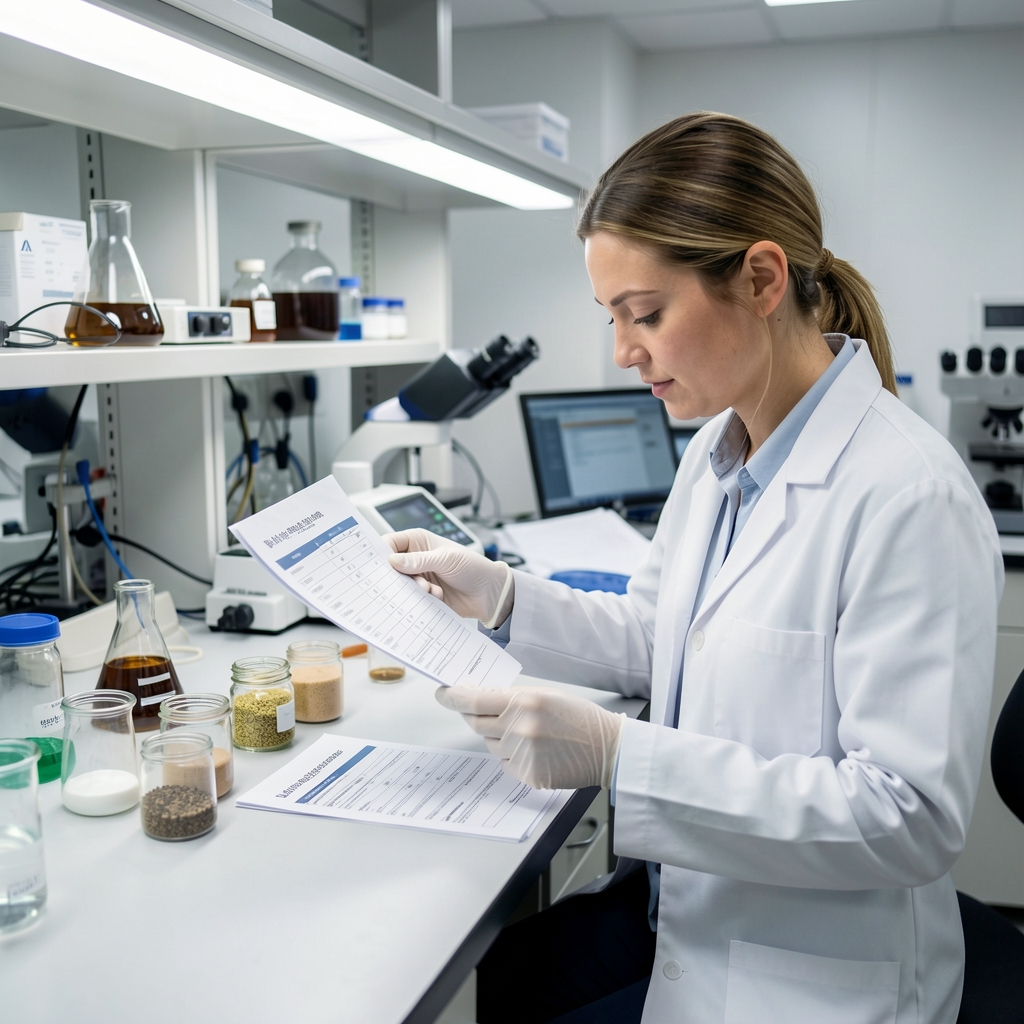
Before any supplement composition profile enters the Estorand archive, it undergoes independent batch analysis through a contracted third-party laboratory. The analysis assesses elemental concentration, compositional accuracy against the declared ingredient ratio, and absence of undisclosed adulterants. Results are archived against the lot reference number.
Editorial Publication & Revision
Content that passes Stages One through Three enters the Estorand editorial archive with a publication date and revision version number. Scheduled review cycles (quarterly for supplement profiles, biannually for dietary frameworks) ensure that published content reflects the current state of the documented research — not a static snapshot.
Ingredient Sourcing Documentation Framework
Active ingredients are sourced from documented suppliers, with each batch accompanied by a certificate of composition. Sourcing prioritises suppliers whose facilities maintain food-grade processing standards throughout the production sequence — from raw material receipt through final packaging.
The sourcing record for each ingredient includes: named supplier, facility location, lot number, production date, processing standard declaration, and the independent laboratory analysis reference. This record is maintained in the Estorand supplier archive and updated with each new production batch.
Every batch referenced carries a unique lot number cross-referenced against the supplier record and independent analysis report.
Supplier documentation confirms unbroken chain-of-custody from point of origin through final ingredient receipt.
Facilities are required to maintain food-grade processing standards — not estimated, but declared and documented per batch.
All sourcing records carry a revision version and date — changes to supplier or lot reference trigger a new archive entry.

Independent Batch Analysis Standards
Elemental Concentration Assessment
Each batch undergoes elemental concentration assessment to confirm that declared active ingredient levels fall within the specified compositional range on the supplier certificate.
Ingredient Ratio Verification
Compositional accuracy is verified against the declared ingredient ratio. Results outside acceptable tolerance ranges require supplier notification and are flagged in the archive record before publication.
Adulterant Screening
All batches are screened for the presence of undisclosed substances outside the declared composition. This screen is conducted by the contracted independent laboratory and results are archived against the lot reference.
Documented Ingredient Categories
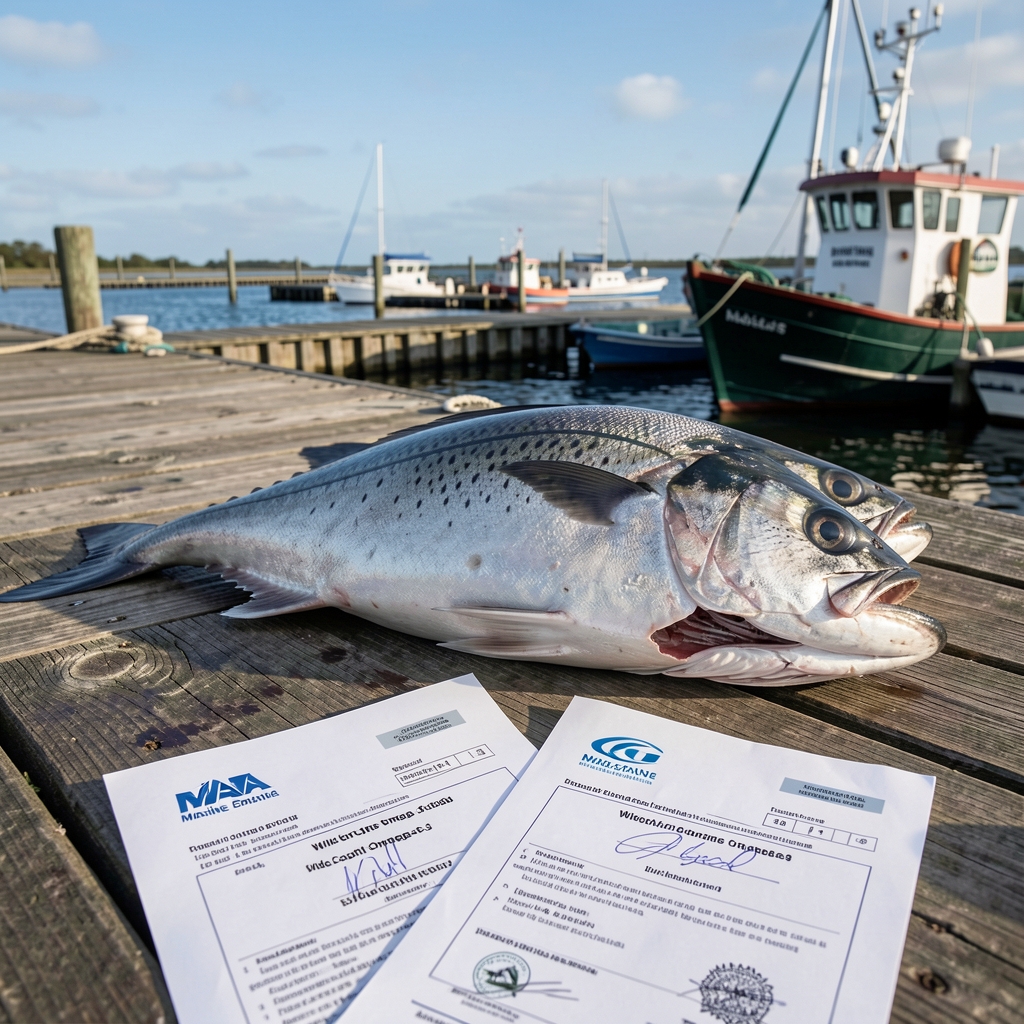
Omega-3 EPA/DHA — Marine & Algae Sourcing
Marine-derived omega-3 sources are documented through certified-sustainable fishery chains. Algae-derived alternatives carry full cultivation and extraction records.
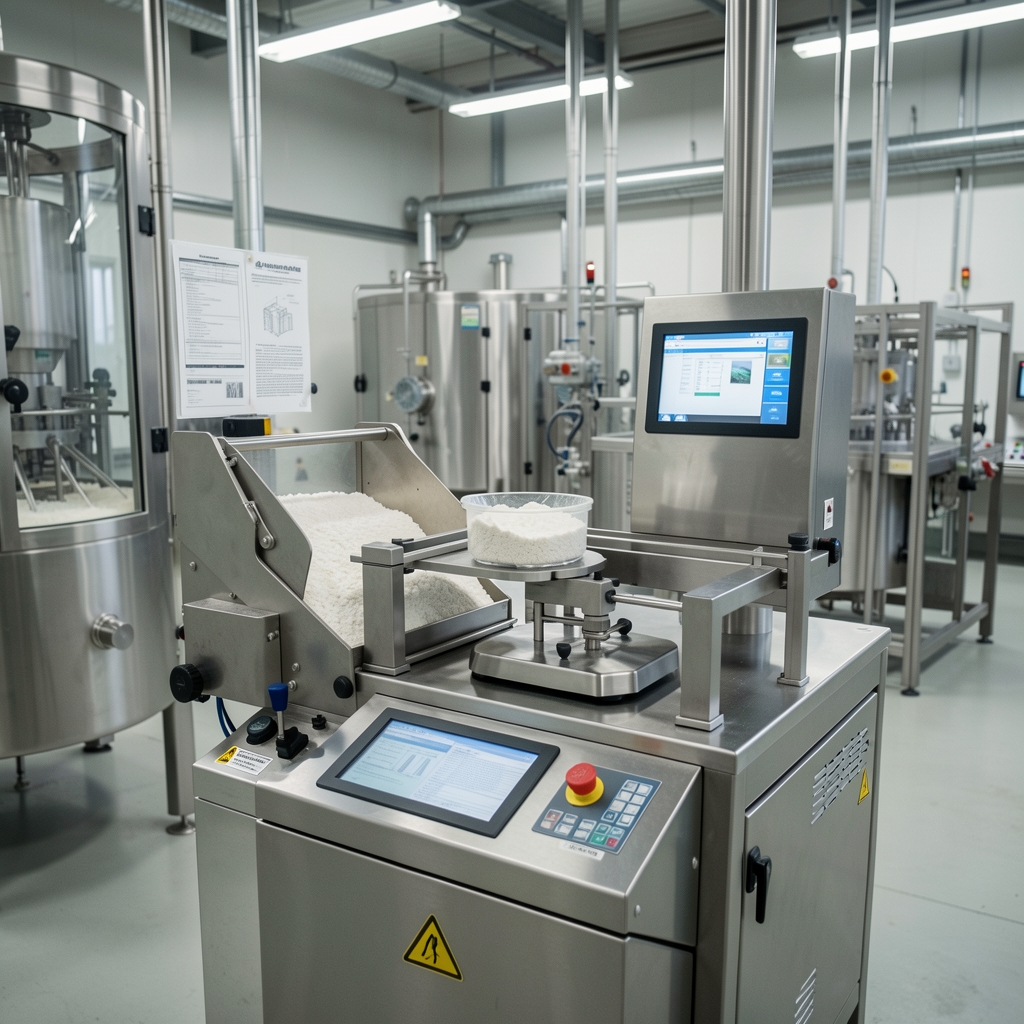
Zinc, Magnesium & Selenium Compound Sourcing
Mineral compound sourcing is validated through facility-level food-grade processing declarations, with lot-specific certificates of composition for each batch.
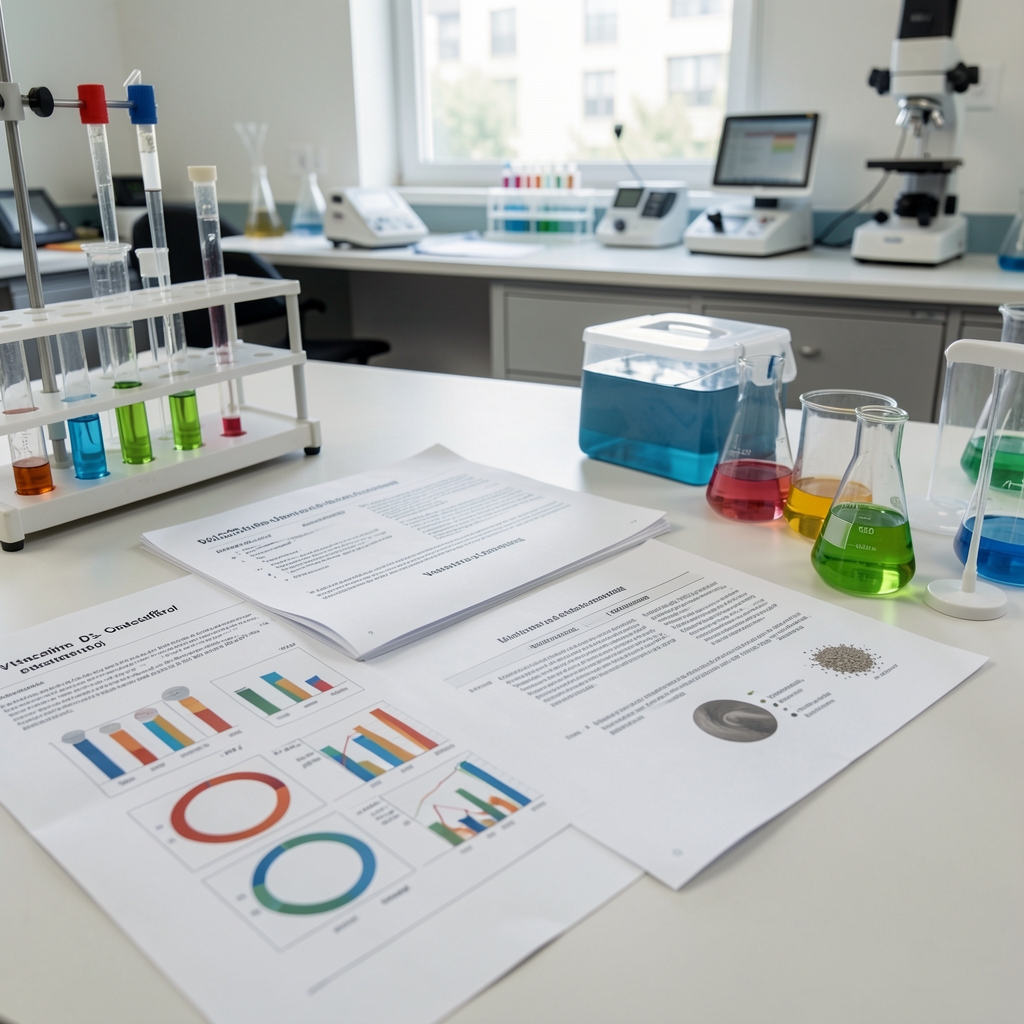
Vitamin D3, B12 & C — Documented Compound Forms
Vitamin compound forms are specified by chemical name in supplier documentation — distinguishing between bioavailable forms with different absorption profiles in published nutritional research.
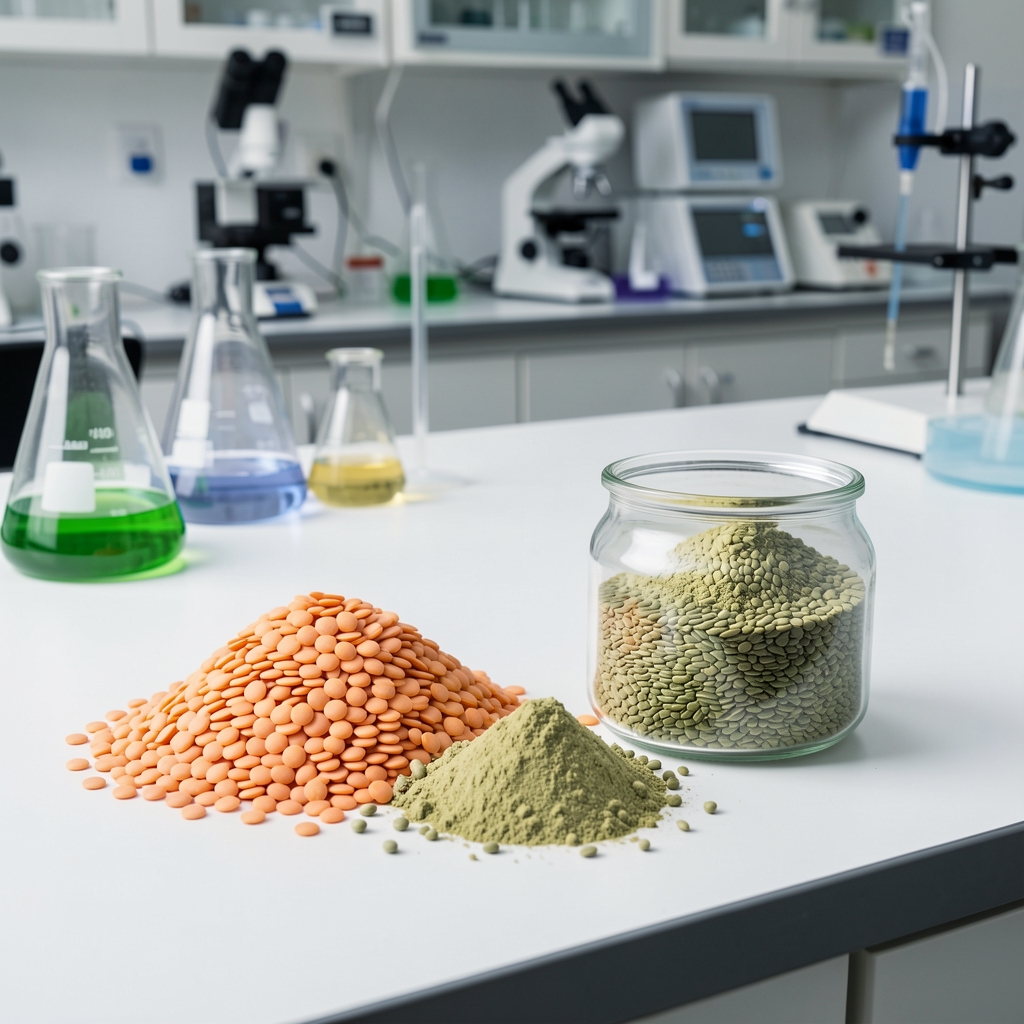
Pea, Hemp & Rice Protein Extract Sourcing
Plant protein extracts are sourced with full extraction process documentation — including solvent declarations, protein concentration data, and amino acid profile verification per lot.
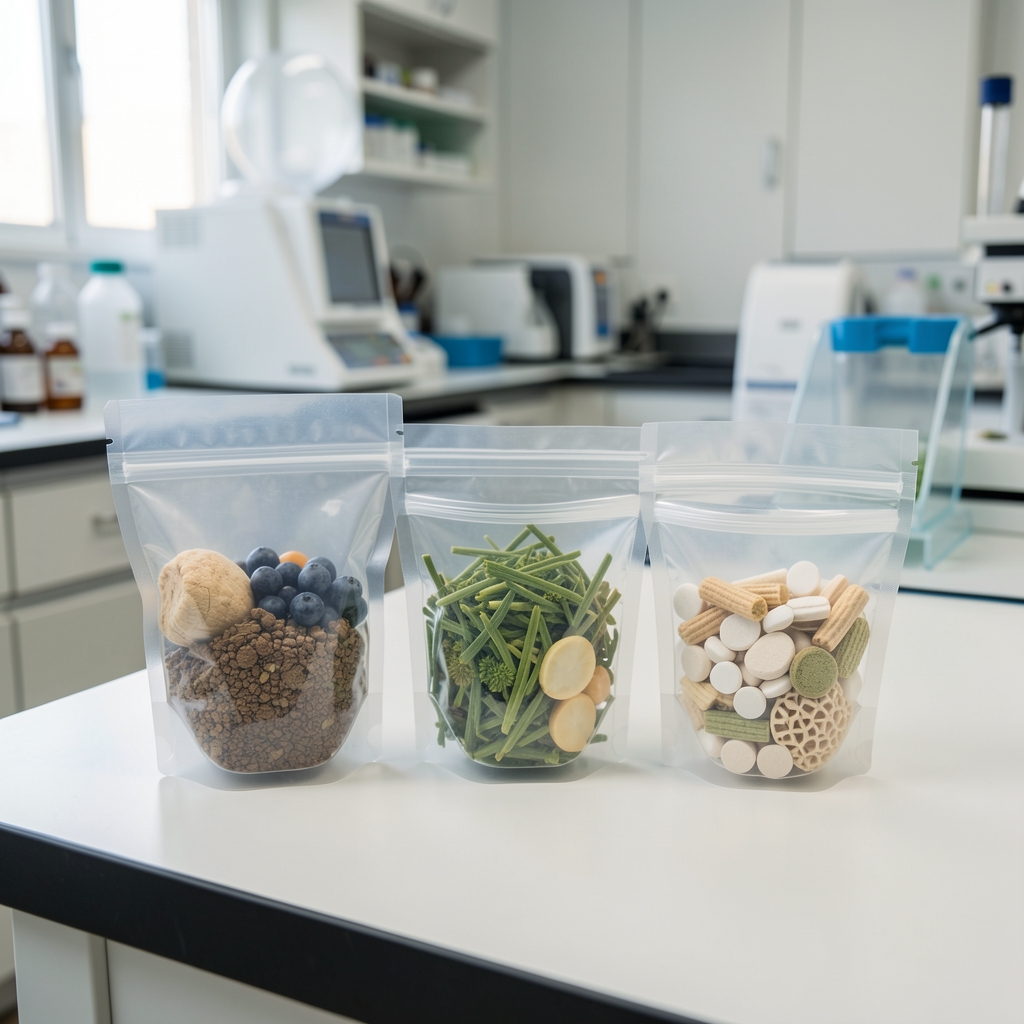
Probiotic & Prebiotic Source Documentation
Probiotic strain sourcing includes strain-level identification in supplier documentation, viable count data at time of production, and cold-chain handling records from facility to receipt.
Active Ingredients — Food-Grade Standards
Active ingredients are sourced from documented suppliers, with each batch accompanied by a certificate of composition. Sourcing prioritises suppliers whose facilities maintain food-grade processing standards.
Request DocumentationWhat the Estorand Archive Will Not Publish
Outcome Claims Without Source Records
Dietary outcome claims that cannot be traced to a specific published study or documented compositional analysis are excluded from the archive regardless of how widely they circulate.
Supplier-Directed Content
Estorand editorial content is not produced on behalf of ingredient suppliers or food brands. References to specific ingredients reflect their documented nutritional profiles, not commercial relationships.
Assured Result Language
Language implying assured nutritional outcomes — whether weight loss, body composition change, or performance gain — is not permitted in Estorand editorial content or program descriptions.
Undocumented Comparative Claims
Comparative performance claims between dietary approaches require documented head-to-head research. Anecdotal or testimonial comparisons are not accepted as editorial evidence in the Estorand framework.
Questions About the Archive Process?
The Estorand editorial team is available to discuss our sourcing documentation standards or respond to specific enquiries about published content.